
How to Find the Best Sulfate Free Shampoo for Your Hair
Shop Morfose gentle shampoos
Sulfate-free and low-lather formulas that clean without stripping colour or the scalp's own oils.


Picking the best sulfate-free shampoo isn't about grabbing the first bottle you see. It’s about finding a formula that truly gets your hair. Think of it like skincare—you wouldn't use a heavy cream designed for dry skin on an oily complexion, right? This guide is your personal roadmap to figuring out what your hair is asking for so you can give it exactly what it needs.
Your Guide to Choosing the Best Sulfate Free Shampoo
Making the switch from your usual shampoo to a sulfate-free one might seem like a small change, but it can make a world of difference for your hair's health. The journey starts with a simple realization: that rich, bubbly lather we've all been taught means "clean" is often created by harsh detergents.
Those detergents, called sulfates, are incredibly effective at cleaning, but they're a little too good. They often strip away the natural, protective oils from your scalp and hair, which can lead to dryness, brittleness, and even a faster fade for your expensive hair color.
This isn't just a fleeting trend; it’s a fundamental shift toward kinder, more intentional hair care. The demand speaks for itself. The global market for sulfate-free shampoo was valued at USD 5.32 billion in 2024 and is expected to rocket to USD 10.47 billion by 2033. This surge is driven by people like you who are learning that gentle ingredients are the key to long-term hair wellness. You can see the full market analysis on Datahorizzon Research.
Why a Personalized Approach Matters
Every head of hair has its own unique personality. Does any of this sound familiar? Your hair might be:
- Dry and thirsty, constantly craving a deep drink of moisture.
- Color-treated, needing a gentle touch to keep its vibrancy locked in.
- Fine and delicate, getting easily weighed down by the wrong products.
- Prone to scalp irritation, calling out for soothing, calming ingredients.
The real goal is to ditch the one-size-fits-all mindset for good. The shampoo that works wonders for your friend's thick, curly hair could be a total nightmare for your fine, straight strands. Success is all about matching the right formula to your specific hair problem.
This guide will walk you through, step-by-step, how to identify your hair's needs and confidently choose a product that delivers. We’ll show you how brands like Morfose have developed specialized sulfate-free shampoos designed for these very challenges, putting you on the fast track to healthier, happier hair. For a broader perspective, you can find additional hair care insights from other industry experts.
Understanding Sulfates and Why They Matter for Your Hair
Two gentle options to compare
So, what’s the big deal with sulfates? Why are they suddenly the villain in every hair care conversation? Let's break it down with an analogy I often use with clients.
Think about washing a delicate silk blouse. You wouldn't use a heavy-duty laundry detergent meant for greasy work clothes, right? That detergent would get it clean, sure, but it would also strip the life right out of the fabric, leaving it dull, stiff, and brittle.
That’s essentially what sulfates like Sodium Lauryl Sulfate (SLS) and Sodium Laureth Sulfate (SLES) do to your hair. They’re incredibly effective detergents, which is why they create that big, bubbly lather most of us grew up thinking meant "clean." But their power is a double-edged sword; they're so good at their job that they strip away everything—not just dirt and product buildup, but also the natural, protective oils your scalp produces to keep your hair healthy and moisturized.
This over-stripping is often the hidden culprit behind some of the most frustrating hair problems. When your hair and scalp are robbed of their essential moisture, you’re left dealing with dryness, flyaways, and hair that feels brittle to the touch. For anyone with even slightly sensitive skin, this can also mean an itchy, irritated, and unhappy scalp.
How Sulfates Affect Different Hair Types
While sulfates can be a problem for anyone, some hair types feel the negative effects much more intensely. It's crucial to understand how your hair might be reacting.
- Color-Treated Hair: Sulfates are public enemy number one for fresh color. They literally lift the color molecules out of your hair shaft and wash them down the drain, causing that beautiful, expensive salon color to fade in record time.
- Dry or Curly Hair: If your hair is naturally dry, curly, or coily, it's already fighting for moisture. Sulfates just make that battle harder by removing the natural sebum that your curls need to stay defined, hydrated, and frizz-free.
- Sensitive Scalps: For those prone to scalp issues like eczema or general sensitivity, the harshness of sulfates can easily trigger flare-ups, leading to redness, itching, and overall discomfort.
The real issue isn't that sulfates fail to clean your hair—they absolutely do. The problem is they clean it too well, throwing off the delicate natural balance your hair needs to be vibrant, hydrated, and strong.
The Gentle Cleansing Alternative
This is exactly where sulfate-free shampoos change the game. Instead of relying on those harsh detergents, they're formulated with much milder cleansers, often derived from sources like coconut or fruit sugars. These ingredients are smart enough to wash away the unwanted stuff—like dirt, sweat, and styling product residue—without stripping away your hair’s precious natural moisture.
This philosophy is at the heart of many modern hair care routines, including the "low-poo" method, which is all about gentle cleansing to preserve your hair's integrity. If you're curious about these approaches, you can explore the differences between various low-poo and no-poo methods in our detailed guide. Making the switch is about choosing a path that gives you that clean-hair feeling without compromising its health in the long run.
Matching the Right Ingredients to Your Hair Type
Think of choosing the best sulfate-free shampoo less like a science experiment and more like playing matchmaker for your hair. There's no single "miracle" product out there. Instead, the right formula is the one that understands your hair's unique personality and gives it exactly what it needs. You wouldn't use skincare for oily skin on a dry complexion, right? The same targeted approach applies to your hair.
This isn't just a niche opinion anymore; it's a major shift in how people care for their hair. Market analysis shows consumers are moving away from harsh detergents in droves, driven by a growing awareness of scalp and hair health. By 2025, it's expected that individual shoppers will make up about 60-65% of the entire sulfate-free shampoo market. People are tired of sulfates stripping their hair’s natural oils and are actively hunting for cleaner, more effective ingredient lists. For a deeper dive into this trend, you can explore detailed consumer behavior insights from Data Bridge Market Research.
So, let's break down exactly what your hair is looking for.
For Dry and Damaged Hair
If your hair feels constantly thirsty, looks a bit dull, or has that tell-tale brittle texture, it's sending out an S.O.S. for moisture and repair. Your mission is to find ingredients that deliver a deep dose of hydration and help rebuild the hair's structure—without leaving it flat and heavy.
Look for these hydration heroes on the label:
- Hyaluronic Acid: This is a moisture magnet. It pulls water into the hair strand and holds it there, offering a serious dose of hydration to parched hair.
- Argan Oil: Packed with fatty acids and vitamin E, this classic oil nourishes hair, tames frizz, and gives it that beautiful, healthy-looking shine.
- Keratin: This is literally the protein your hair is made of. Adding it back with your shampoo helps patch up the damaged spots along the cuticle, making hair feel stronger and look smoother.
A perfect example is the Morfose Milk Therapy Shampoo. It's formulated with milk protein and 12 essential amino acids to nourish and moisturize dry hair from the inside out. Of course, how well your hair can actually soak up that goodness matters, too. Understanding the difference between low vs high porosity hair is a game-changer.
For Color-Treated Hair
You just spent time and money on that perfect salon color. The absolute last thing you want is to see it wash down the drain. This is where sulfates are public enemy number one, as they’re notorious for stripping color molecules right out of the hair shaft, causing your vibrant shade to fade way too fast.
This diagram paints a clear picture of why sulfates are so tough on our hair, especially when it comes to color.
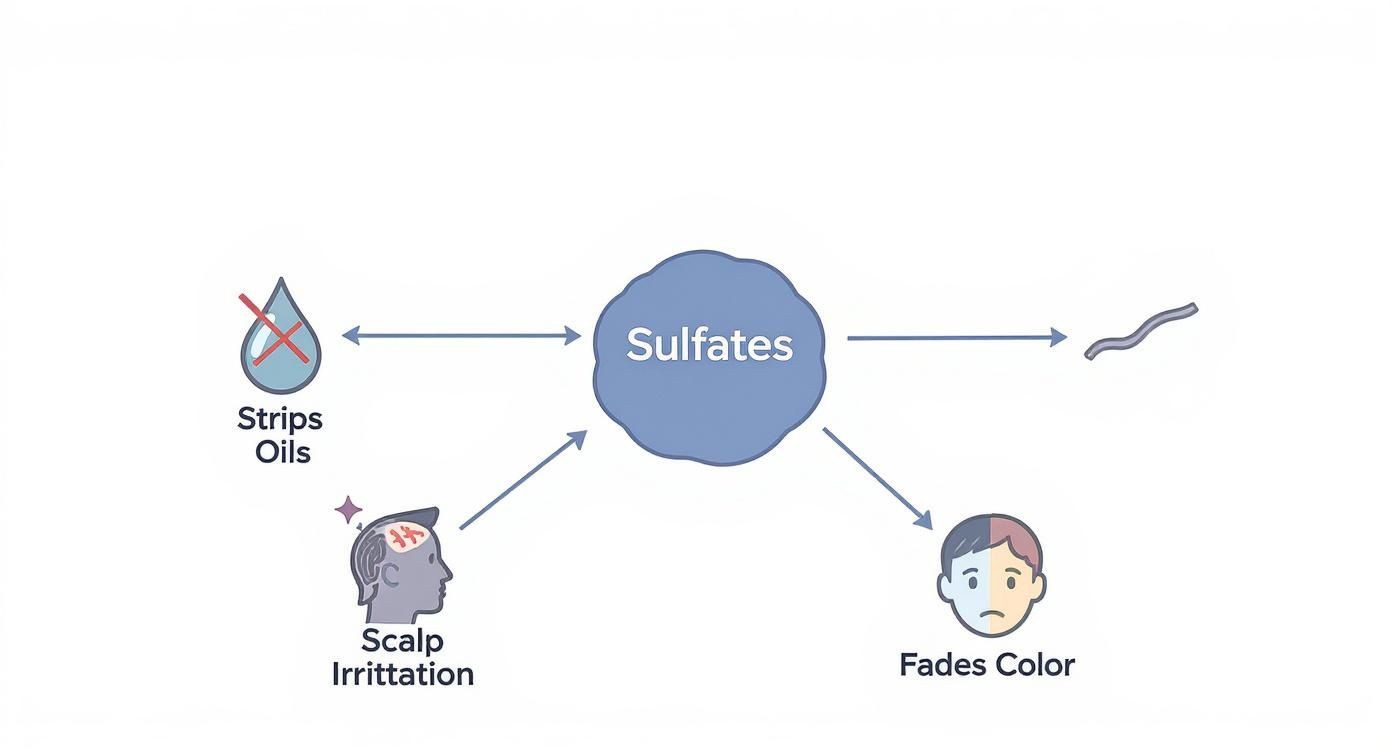
As you can see, sulfates are a direct cause of the three things we all want to avoid: moisture loss, an irritated scalp, and faded color.
But for colored hair, just being "sulfate-free" isn't enough. You also need ingredients that actively protect your investment. Look for formulas with antioxidants, like green tea extract or vitamin E, which act as a shield against environmental stressors like pollution and UV rays that can make your color look dull.
The Morfose Color-Safe Shampoo was designed with exactly this in mind. It uses gentle cleansers that won't strip your color, helping to preserve its vibrancy while adding a dose of softness and shine.
For Oily and Fine Hair
If your roots get greasy by the end of the day or your hair just won't hold any volume, you're walking a fine line. The goal is to find a shampoo that cleanses thoroughly enough to remove buildup and excess oil, but without stripping the scalp so much that it goes into oil-production overdrive.
The key is a gentle but thorough cleanse. You want to remove excess sebum from the scalp without triggering it to produce even more oil to compensate for dryness.
Look for ingredients that clarify without being harsh, and add a little oomph:
- Tea Tree Oil: Famous for its clarifying abilities, it helps keep scalp oil production in check.
- Panthenol (Pro-Vitamin B5): This ingredient helps plump up the hair shaft from within, giving the appearance of more fullness and body.
On the flip side, you’ll want to steer clear of heavy oils or butters (like shea butter) in your daily shampoo. While they’re great for other hair types, they can easily weigh down fine hair and make it look limp.
For Thinning Hair
When thinning is a concern, the focus shifts from the strands to the source: the scalp. A healthy, well-nourished scalp is the foundation for growing strong, healthy hair.
Here, the hero ingredients are all about stimulation and fortification. You'll want to seek out shampoos containing biotin, a B-vitamin that is absolutely essential for producing keratin (the building block of hair). Also keep an eye out for collagen, which can improve the hair's elasticity and fortify the strands you already have, making them less prone to breakage.
The Morfose Biotin Shampoo is specifically formulated to create the ideal environment for hair growth. It supports scalp health and strengthens weak, thinning strands to help reduce breakage and promote a fuller look.
Sulfate Free Shampoo Ingredient Guide by Hair Concern
To make it even easier, here’s a quick-glance table to help you find the perfect match based on your hair's primary concern.
| Hair Concern | Key Ingredients to Look For | Ingredients to Avoid (Besides Sulfates) | Recommended Morfose Solution |
|---|---|---|---|
| Dry & Damaged | Hyaluronic Acid, Argan Oil, Keratin, Milk Protein, Amino Acids | Drying Alcohols (e.g., Isopropyl Alcohol), High-pH Cleansers | Morfose Milk Therapy Shampoo |
| Color-Treated | Antioxidants (Vitamin E, Green Tea), UV Filters, Gentle Cleansers | Sodium Chloride (Salt), Harsh Clarifying Agents | Morfose Color-Safe Shampoo |
| Oily & Fine | Tea Tree Oil, Panthenol (Pro-Vitamin B5), Salicylic Acid, Kaolin Clay | Heavy Oils (Coconut, Shea Butter), Silicones (e.g., Dimethicone) | Morfose Herbal Shampoo (for balanced cleansing) |
| Thinning & Weak | Biotin, Collagen, Caffeine, Saw Palmetto, Peptides | Heavy Waxes and Polymers, Harsh Surfactants | Morfose Biotin Shampoo |
This guide gives you a solid starting point for reading ingredient labels and making a choice that truly benefits your hair, helping you move beyond the marketing hype and into real, noticeable results.
How to Read a Shampoo Label Like a Pro
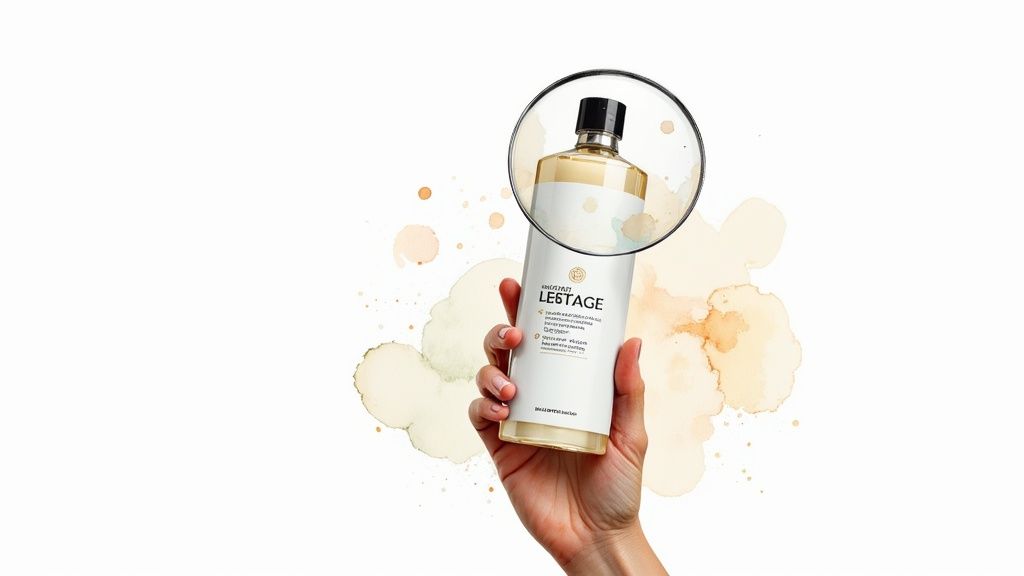
Seeing "sulfate-free" on the front of a shampoo bottle is a good start, but the real story is on the back. To find the best sulfate free shampoo for your unique hair, you’ve got to flip it over and learn to speak the language of the ingredient list. This one skill can turn you from a hopeful shopper into a savvy consumer who knows exactly what’s going on their head.
This isn’t just a niche trend, either. People are getting smarter about what they buy. The European sulfate-free shampoo market alone is valued at nearly USD 1.8 billion, making up about 35.1% of the global market. This huge shift isn't just marketing—it's fueled by tougher cosmetic regulations and shoppers demanding safer, more natural ingredients. People are looking past the hype and really digging into the formulas.
Decoding the Cleansers
Right after water, the first few ingredients listed are the cleansing agents, or surfactants. In a proper sulfate-free shampoo, you won't find harsh detergents like Sodium Lauryl Sulfate (SLS). Instead, you’ll see its gentler, often plant-based, relatives.
- Coco-Glucoside: A super mild cleanser that comes from coconut and fruit sugars.
- Decyl Glucoside: Another gentle, plant-derived option that’s fantastic for sensitive scalps.
- Sodium Cocoyl Isethionate: This one is derived from coconut oil and is famous for creating a soft, creamy lather.
These alternatives get the job done—they lift away dirt and oil—but without that harsh, stripping feeling of traditional sulfates. They respect your hair’s natural moisture, leaving it clean but not squeaky and dry.
Spotting the Beneficial Additives
Okay, so you’ve found the gentle cleansers. What’s next? Scan the rest of the list for the ingredients that actually do the heavy lifting for your hair’s health. These are the powerhouse additions that tackle specific issues like dryness, damage, or dullness.
Think of a shampoo label like a recipe. The cleansers are the flour and water, but the beneficial additives are the herbs, spices, and key ingredients that make the final dish special.
This is where you’ll find things like argan oil for moisture and shine, hydrolyzed keratin to patch up and strengthen weak strands, or panthenol (Pro-Vitamin B5) to boost elasticity and hydration. These are the elements that transform a simple cleanser into a targeted hair treatment.
Identifying What to Avoid
Knowing what to look for is only half the battle; knowing what to avoid is just as critical. Besides sulfates, other common ingredients might not be the best friends for your hair.
For instance, certain silicones can build up on the hair shaft over time, leaving it feeling weighed down and lifeless. If you want to go deeper on that topic, you can learn more about the real impact of silicones on your hair in our dedicated article.
Also, keep an eye out for certain drying alcohols like isopropyl alcohol, which can strip moisture and cause brittleness. When you can confidently spot these red flags, you’re empowered to choose a formula that will truly nourish your hair from root to tip.
Getting the Best Results From Your Sulfate-Free Shampoo
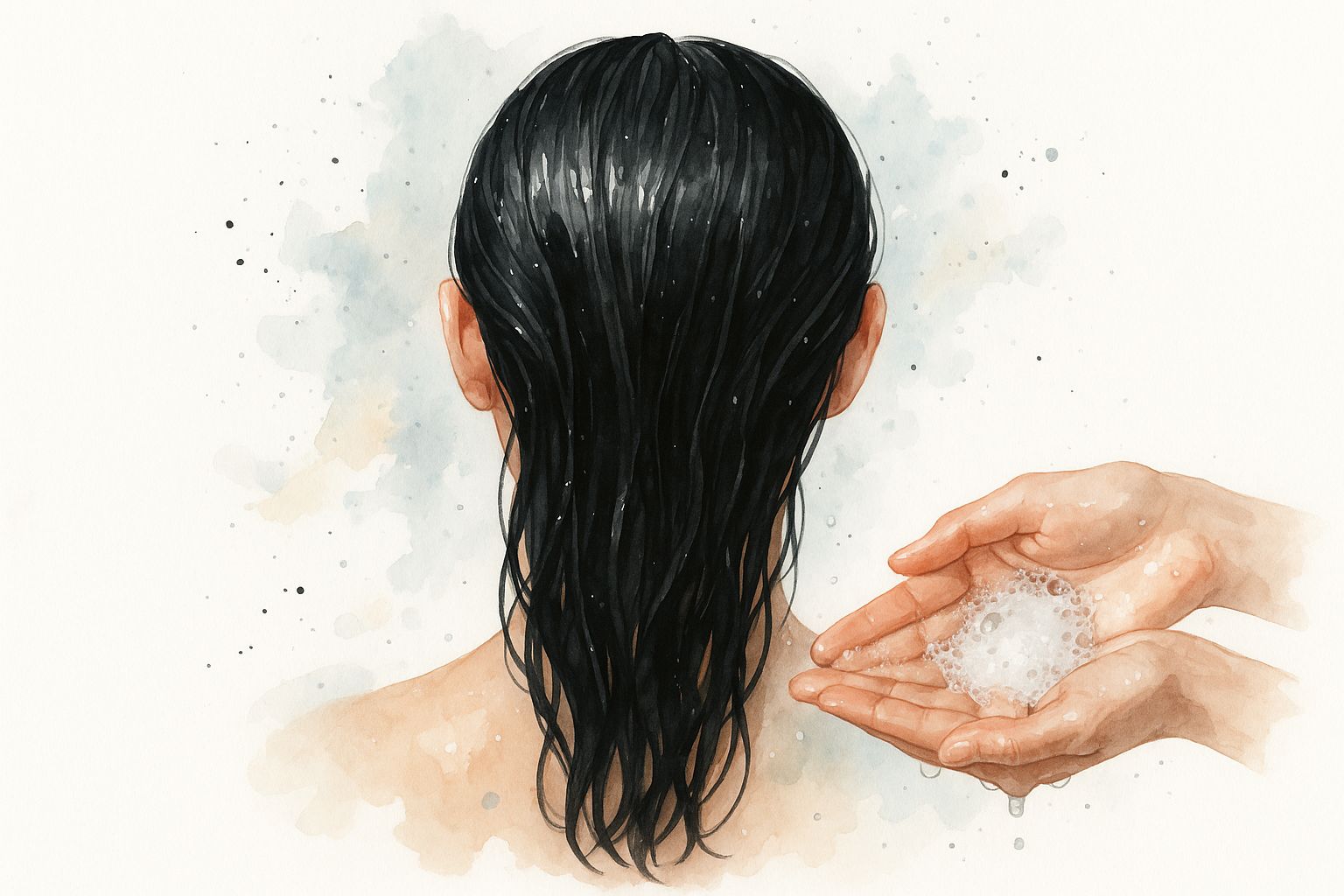
So, you've decided to go sulfate-free. That's a great move for your hair's health, but it does require a slight shift in your washing routine. The first thing you'll probably notice is the lather—or lack thereof. For decades, we've been taught that mountains of foam equal clean hair, but that's a bit of a myth created by harsh sulfates.
Sulfate-free formulas use milder cleansers, so they don't produce that same dramatic foam. Don't worry, though. Less foam absolutely does not mean less clean. It just means you’re getting a gentle wash that respects your hair's natural moisture balance. A few simple tweaks are all it takes to get fantastic results.
Master the Application Technique
To really get the most out of your sulfate-free shampoo, a few small adjustments will make a huge difference. Think of it as being more mindful about how you wash, focusing on what your hair and scalp truly need.
-
Start With Soaking Wet Hair: Before a drop of shampoo touches your head, make sure your hair is completely saturated. Seriously, drench it. Water is the key to helping these gentler formulas spread evenly and activate properly without the help of aggressive foaming agents.
-
Emulsify in Your Hands First: Don't just squeeze a dollop of shampoo directly onto your hair. Instead, put it in your palms and rub your hands together briskly. This "wakes up" the ingredients and creates a light, workable lather before it even gets to your scalp.
-
Focus on the Scalp: Now, use your fingertips (not your nails!) to massage that pre-lathered shampoo directly into your scalp. This is where the real action is—all the oil, sweat, and product buildup lives here. The suds that rinse down the lengths of your hair are more than enough to cleanse them without causing unnecessary friction or dryness.
Consider a Double Cleanse
If you’re a fan of styling products—think dry shampoo, hairspray, or gels—you might find one wash just doesn’t cut it. That's totally normal, and it's why the double cleanse method is a game-changer for sulfate-free users.
The first wash is all about breaking down the surface-level gunk: oils, dirt, and product residue. The second wash provides a deeper, more thorough cleanse for the scalp and hair, allowing all the good-for-you ingredients to penetrate and do their job.
This two-step approach gets your hair perfectly clean without ever needing to call in the harsh stuff. Your scalp will feel refreshed, and your hair will be prepped and ready to soak up all the moisture from your conditioner.
And speaking of conditioner, pairing your new routine with the right after-care, like learning how to deep condition hair at home, will take the health of your hair to the next level. Following these simple steps will make your switch to sulfate-free shampoo a seamless and successful one.
Your Healthier Hair Journey Starts Now
You've made it this far, which means you're no longer just washing your hair—you're caring for it with intention. You now know the "why" behind sulfates, how to listen to what your hair truly needs, and how to read an ingredient label like a pro. These are the building blocks of a truly great hair day, every day.
Think of this as the starting line. And Morfose is right here with you, ready to help you put all that knowledge into practice. We built our sulfate-free and color-safe collections on the very principles we've covered, creating real-world solutions for the issues you face, whether that's bringing damaged hair back to life or keeping your salon color looking fresh.
The Next Step to Hair You'll Love
We've swapped out those harsh, stripping detergents for gentle cleansers that actually do their job. Then, we packed our formulas with powerhouse ingredients like milk protein, biotin, and keratin. The result? Your hair gets squeaky clean without losing the natural moisture it needs to be strong, shiny, and resilient.
Choosing the right shampoo isn't just about cleaning your hair—it's about feeding it the nutrients it needs to thrive. A well-formulated product can be the difference between hair that just exists and hair that truly lives.
We're inviting you to take that first, confident step. It’s time to discover the vibrant, healthy hair you've been working towards. Your best hair is waiting.
Got Questions About Sulfate-Free Shampoos? We've Got Answers.
Making the switch to sulfate-free shampoo can feel a little different at first, and it's totally normal to have some questions. After all, you're changing a routine you've probably had for years. Let’s clear up a few of the most common things people wonder about.
One of the first things everyone notices is the lack of a big, bubbly lather. This often makes people ask, "Is the best sulfate free shampoo even working?" The answer is a huge yes! The mountain of foam you're used to comes from harsh sulfates. Less foam just means you're getting a kinder, more modern clean from gentler ingredients.
That low lather isn't a bug; it's a feature. Think of it as a sign that the shampoo is smart enough to remove dirt and excess oil without stripping away the natural moisture your hair desperately needs.
This gentle approach is exactly what makes these formulas so powerful for tackling specific hair and scalp issues.
Your Top Questions Answered
-
How long until I see results? Give it a little time. Your scalp might take one to two weeks to get used to the new routine and recalibrate its oil production. Once it adjusts, you'll start to notice your hair feels softer, looks healthier, and holds onto moisture much better.
-
Are they safe for keratin treatments? Not just safe—they're essential. Sulfates are notorious for dissolving the keratin coating right off your hair, drastically shortening the life of your expensive treatment. A sulfate-free formula is the best way to protect that investment and keep your hair smooth for longer.
-
Can they help with an itchy scalp? Definitely. An itchy, irritated scalp is often a cry for help from being dried out by harsh detergents. By switching to a gentle, sulfate-free cleanser, you allow your scalp's natural moisture barrier to heal, which can bring incredible relief.
Ready to feel the difference a gentle, nourishing cleanse can make? The Morfose collection is crafted to protect your color, boost moisture, and restore your hair's natural balance. Find the perfect sulfate-free solution for your hair at TheMorfose.com.
More on sulfate-free shampoo
- Sulfate-Free Shampoo Benefits: What Actually Changes
- Sulfate-Free vs Regular Shampoo: Which Is Better for You?
- Is Sulfate-Free Shampoo Better for Hair Loss?
- Sulfate-Free Shampoo and Conditioner for Coloured Hair
Switching away from sulfates?
Give it three or four washes — hair that has been stripped for years takes a little while to rebalance.
