
How Semi-Permanent Hair Dye Fades and How to Stop It
Shop Morfose colour care
Colour-safe shampoo, sealing mask and leave-in — what slows the fade instead of washing it out faster.


Ever wondered why that electric blue or perfect pastel seems to ghost you after just a few weeks? The magic of semi-permanent color lies in its gentle nature, but that’s also the secret to its temporary stay. Understanding how semi-permanent hair dye fades is the first step to making your vibrant new look last as long as possible.
Unlike permanent color that forces its way into the hair's core, semi-permanent dye is more like a beautiful stain. The color molecules simply cling to the outside of your hair shaft, coating the cuticle layer. Think of it like a chic jacket for your hair—it looks amazing, but it's not a permanent part of the outfit.
This "coating" action is fantastic for keeping your hair healthy and damage-free, but it also means the color is exposed. Every time you step into the shower, the combination of water and the detergents in your shampoo gently scrubs away a little bit of that surface-level pigment. This is why the fading process is so gradual, often softening into a lovely pastel version of the original shade before disappearing.
The Science of the Fade
The lifespan of your vibrant color is a delicate dance between the dye itself and the condition of your hair. Typically, semi-permanent hair dye will last anywhere from 4 to 12 washes, but most people notice a significant fade right around the 6-8 wash mark. This makes it the perfect way to play with trendy shades without a lifelong commitment.
Because the dye molecules are just sitting on the surface, they're easily dislodged over time. Want to learn more? Check out our guide on how long you can expect your color to last.
This visual breaks down the three main players in the fading game: your wash routine, your hair’s porosity, and good old-fashioned time.
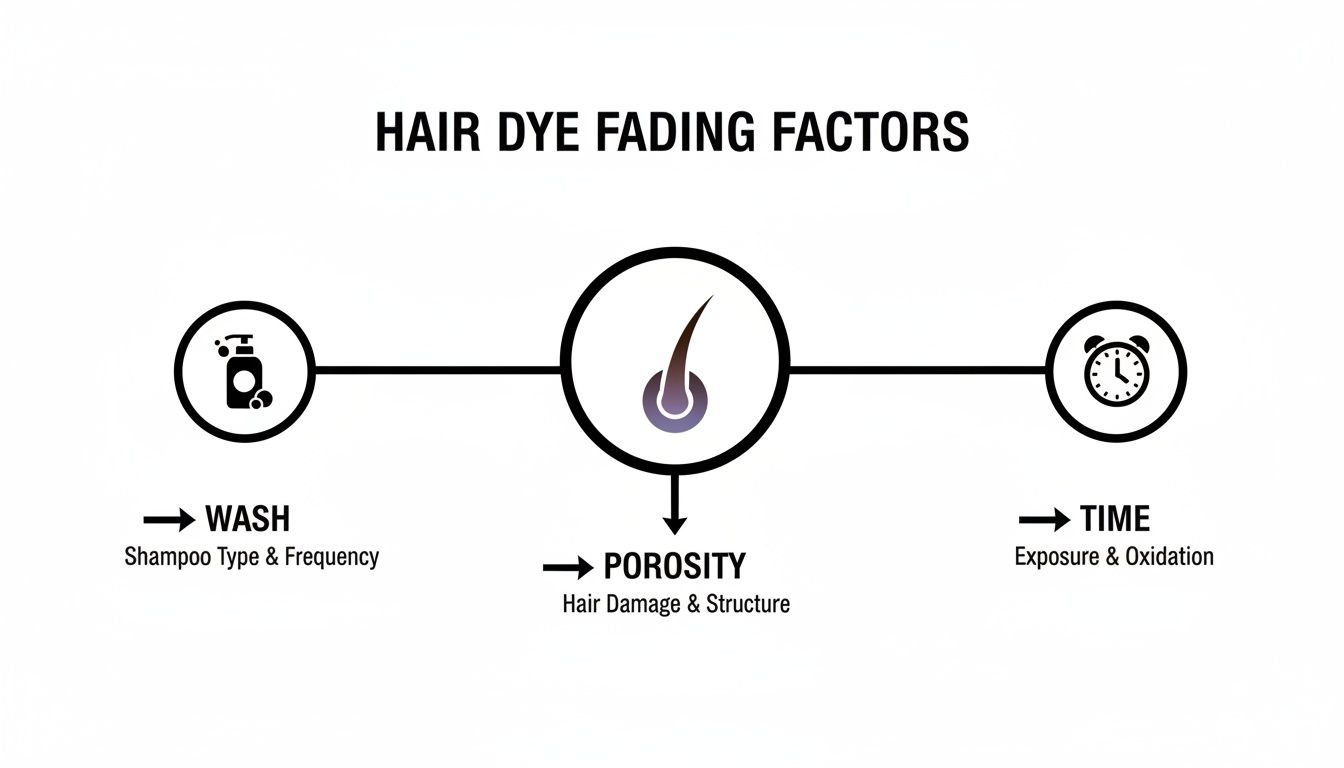
As you can see, each of these elements directly impacts how long that gorgeous color will stick around. Getting a handle on these concepts is the first step to building a routine that keeps your shade looking fresh for as long as possible.
The Top 7 Reasons Your Hair Dye Fades Too Fast
So you’ve just left the salon with a vibrant, head-turning new color, but a few washes later, it feels like it's already making a quiet exit. Sound familiar? If your semi-permanent color seems to disappear in the blink of an eye, you're not alone. The truth is, some of our most common daily habits are secretly stripping away those beautiful pigments.
Figuring out what's causing the fade is the first step toward making that gorgeous shade last. Let's get into the top seven culprits behind premature color fade and what you can do to stop them.
1. You Wash Your Hair Too Often
This one is the biggest enemy of semi-permanent color, hands down. Since those dye molecules are just chilling on the surface of your hair shaft, every single shampoo literally washes a little bit of color right down the drain. It's that simple.
Over-washing is actually one of the most common haircare mistakes that can affect not just color, but overall hair health. Try to stretch the time between washes to give your color a fighting chance.
2. Your Water Temperature Is Too High
A super hot, steamy shower might feel incredible, but it's a total nightmare for your hair color. Hot water blasts open your hair’s cuticle—the protective outer layer of each strand.
When that layer is lifted, it's like opening the floodgates for all those semi-permanent color molecules to escape.
Pro Tip: Make it a habit to rinse your hair with cool or lukewarm water. This simple switch helps seal the cuticle shut, locking in both your color and moisture for a shinier, longer-lasting finish.
3. Your Shampoo Contains Harsh Sulfates
Ever wonder what makes your shampoo so foamy? Often, it's sulfates. These are powerful detergents that are fantastic at creating a rich lather but are way too aggressive for color-treated hair.
They don't just remove dirt and oil; they take your precious color molecules along for the ride. To protect your investment, always reach for a gentle, sulfate-free shampoo.
4. You Skip Heat Protectant
Your flat iron, curling wand, and even your blow dryer could be cooking the color right out of your hair. High heat lifts the hair cuticle and can actually degrade the pigment molecules themselves, leaving your once-vibrant shade looking dull and washed out.
Using a quality heat protectant is absolutely non-negotiable. Think of it as sunscreen for your hair—it creates a crucial barrier that shields your strands from damage.
5. You Spend Time in the Sun and Chlorine
What’s happening outside can have a huge impact on your hair. UV rays from the sun act like a natural bleach, slowly breaking down the chemical bonds in your dye and causing it to oxidize, or fade. And don't even get me started on chlorine.
- Chlorine: This harsh chemical can strip your color up to 25% faster after just a few dips in the pool.
- Sun Exposure: All that sunshine can zap your color’s vibrancy by 15-30% weekly through oxidation.
It's also worth noting that your hair's condition plays a part here. Hair that's already porous from bleaching or damage might grab color beautifully at first, but it's also wide open to these environmental color-strippers.
6. You Don't Use Color-Safe Conditioners
Conditioner isn't just for making your hair feel soft; its main job is to seal the hair cuticle after shampooing. A good color-safe conditioner smooths that cuticle down, effectively trapping the dye molecules inside so they can't wash out.
If you’re skipping conditioner or using one that isn't made for colored hair, you’re basically leaving the door wide open for your color to escape.
7. Your Hair Is High Porosity
Sometimes, it's not a habit but the hair itself. High porosity hair, which is common after bleaching or other chemical treatments, has a cuticle that's naturally more open.
This means it soaks up color like a sponge, which is great! The downside? It can lose that color just as quickly because the "gates" are always open. Regular deep conditioning treatments are your best friend here, as they can help temporarily seal the cuticle and improve your color's staying power.
How Hair Porosity Dictates Your Color's Lifespan
Two products that hold colour longer
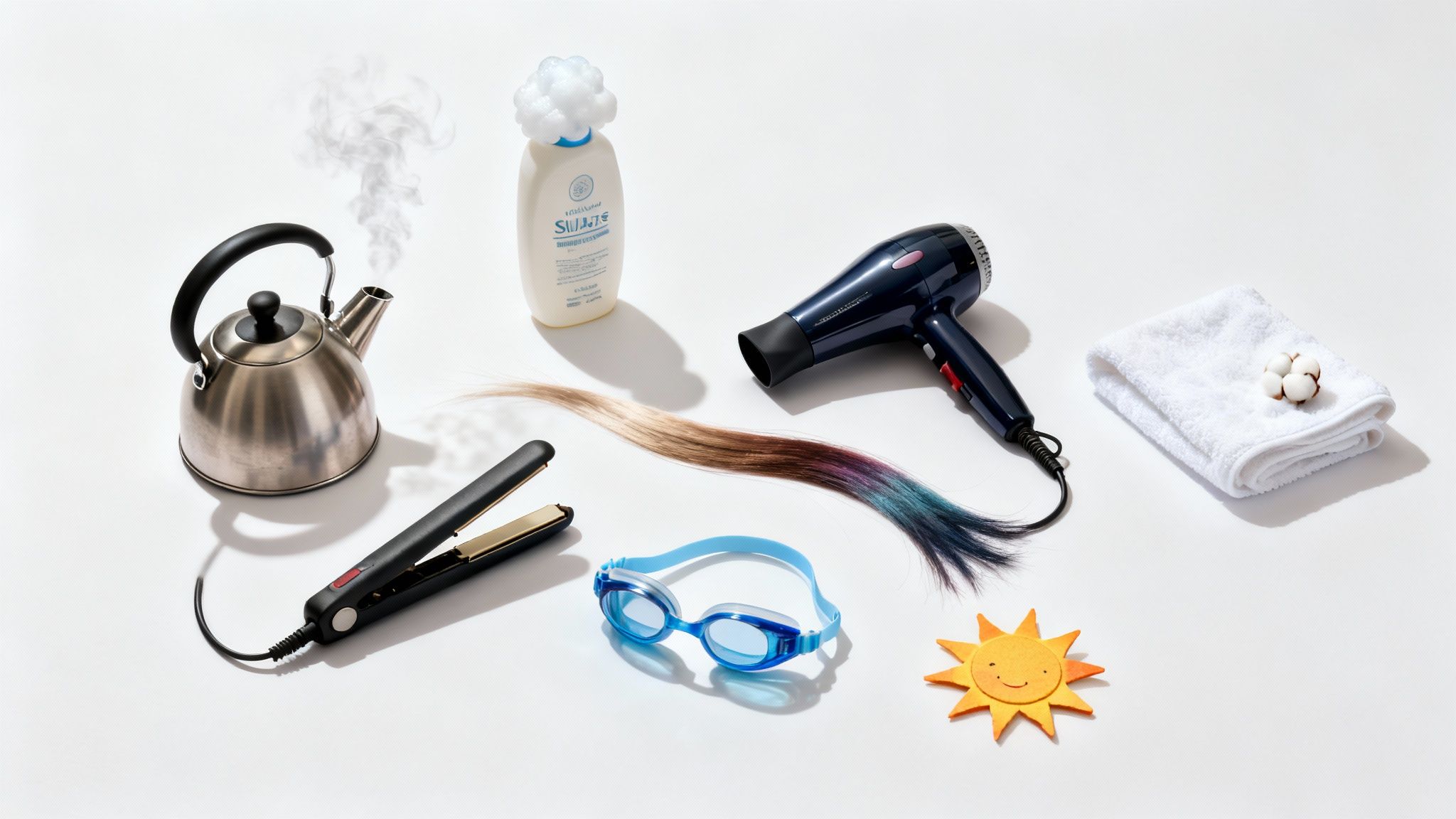
Ever wonder why your friend’s fantasy color lasts for ages while yours seems to wash down the drain in a week? The secret culprit is often hair porosity—your hair’s natural ability to absorb and hold onto moisture and, you guessed it, color.
Think of your hair's outer layer, the cuticle, like shingles on a roof. On low porosity hair, those shingles are sealed down tight. It's tough for color molecules to get in, but once they do, they’re pretty secure.
High porosity hair, on the other hand, has cuticles that are raised and open, like shingles after a storm. It’s incredibly easy for color to soak in—but just as easy for it to wash right back out.
- Low Porosity Hair: The cuticle is tight and compact. Color has a hard time getting in, but it lasts longer once it does.
- Normal Porosity Hair: This is the happy medium, with balanced absorption and retention.
- High Porosity Hair: The cuticle is open and porous, so pigment goes in easily but also escapes quickly.
Curious where you land? You can figure it out with a simple at-home test. It’s a fun little science experiment that gives you major insight into what your hair needs.
- Grab a clear glass of room-temperature water.
- Drop in a single, clean strand of your hair.
- Now, just watch what it does. Does it sink, float, or hang out somewhere in the middle?
- If it sinks right away, you’ve got high porosity. If it floats on top, you have low porosity.
Signs Of Low And High Porosity
Beyond the water test, your hair gives you clues every day. Low porosity hair often feels sleek, but products tend to sit on top of it instead of absorbing. It can also take forever to dry.
High porosity hair drinks up conditioner and oils like it’s dying of thirst, but might feel dry again just a short time later. This is especially common for hair that’s been bleached or chemically treated.
Porosity dictates pigment retention like a sponge holds water—open pores let too much escape.
Once you know your hair's type, you can stop guessing and start making targeted choices that actually work.
Recommended Morfose Solutions for Hair Porosity
Knowing your porosity is a game-changer. Now you can customize your care routine with the right Morfose products to make your color stick around.
If you have high porosity hair, your goal is to seal that open cuticle. A nourishing treatment like the Morfose Milk Therapy Mask can help lock in moisture and color. For low porosity hair, you want products that can penetrate without causing buildup. Our lightweight Morfose Keratin Serum is perfect for smoothing the hair surface to prep it for dye.
-
High Porosity Tips:
- Always rinse with lukewarm or cool water to help close the cuticle.
- A weekly protein-rich mask is your best friend.
- Never skip a cuticle-sealing leave-in conditioner.
-
Low Porosity Tips:
- Stick to light, water-based leave-in products.
- Heavy butters and oils will just sit on your hair, so avoid them.
- Try gentle heat (like a warm towel) with deep conditioners to help open the cuticle and let the goodness in.
Want to go deeper? We have a whole guide dedicated to figuring out your hair’s needs. Check out our post on low vs high porosity hair to become a true expert on your own strands.
Understanding your hair's porosity really does transform your entire approach to semi-permanent color. With the right routine and a few Morfose essentials, you can keep that vibrant shade looking fresh, wash after wash.
A Proven Routine to Make Your Hair Color Last Longer
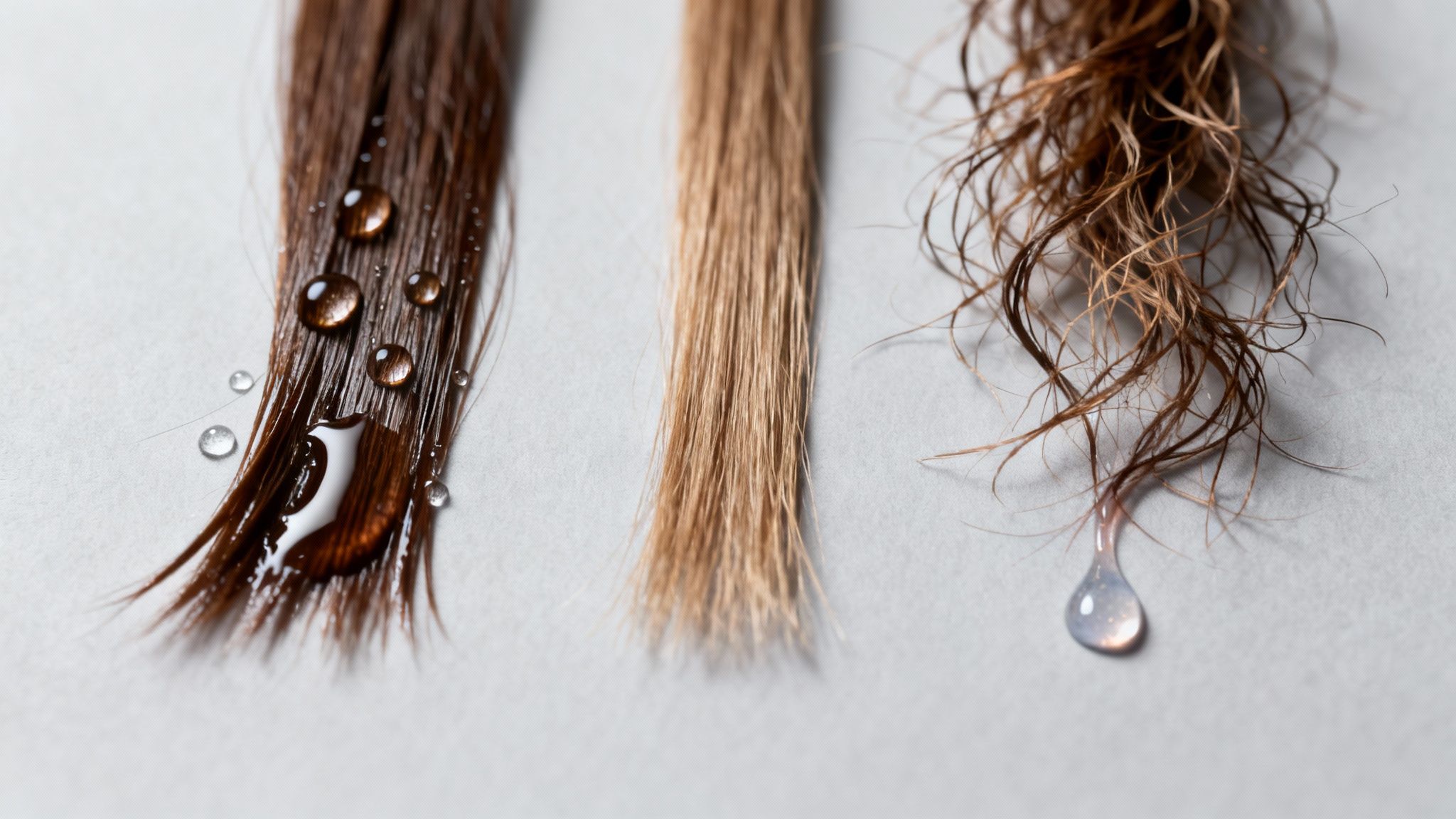
Alright, now that you understand the "why" behind your color fading, let's get into the "how" of stopping it. Knowing the science is one thing, but putting that knowledge into practice is what really saves your shade.
You don't need a total life overhaul. It's all about making small, smart tweaks to your routine. Think of it as creating a personalized playbook to keep your color looking vibrant and deliberate for as long as possible, from the prep work to your daily styling habits.
Step 1: Start with a Healthy Canvas
Amazing color starts with healthy hair. It’s that simple. Before you even unscrew the cap on that dye, your main focus should be getting your strands into their best possible shape.
It's a common misconception that damaged, porous hair is good for color because it "soaks it up." It does, but it lets go of that color just as fast because the cuticle is already damaged and open. Think of it like trying to fill a leaky bucket.
A few weeks before you plan to color, start incorporating strengthening treatments. Using effective hair perfectors like Olaplex No. 3 dupes can help repair internal bonds and create a smoother, stronger foundation. This gives the dye a much better surface to cling to, leading to even application and a fade that happens slowly and gracefully.
Step 2: The Crucial 72-Hour Waiting Period
This one requires some patience, but it's probably the most important tip of all. Right after you color, the hair's cuticle needs time to fully lower and lock those big color molecules inside. If you shampoo too soon, you’re basically washing a huge chunk of your investment right down the drain.
Seriously, wait a full 72 hours before that first wash. This window is non-negotiable if you want your color to have real staying power. It gives the dye a chance to truly settle in, which makes a massive difference from day one.
Step 3: Master Your Wash Day Technique
When wash day finally arrives, how you wash is just as important as what you wash with. Harsh sulfates and steamy, hot showers are your color's worst enemies—both will pry open the cuticle and let the pigment escape.
- Use Cool Water: Always wash and rinse with cool or lukewarm water. Hot water lifts the cuticle, while cool water helps seal it shut, locking in color and boosting shine.
- Choose a Sulfate-Free Shampoo: Grab a gentle, color-safe shampoo. These are formulated to clean your hair and scalp without aggressively stripping away your beautiful color.
- Don't Over-Scrub: Concentrate the shampoo on your scalp, where the oil and buildup actually are. Let the suds just run through your ends as you rinse. Too much friction can literally rub the color molecules off your hair.
- Condition Generously: A good, nourishing conditioner is key to smoothing that cuticle back down. Apply it from the mid-lengths to the ends to seal everything in and add back moisture.
Step 4: Extend Time Between Washes
It's a simple equation: the less you wash your hair, the longer your color lasts. To keep things looking and feeling fresh on your off days, make dry shampoo your new best friend.
A good dry shampoo will soak up oil at the roots, give you a little volume, and easily help you stretch your style for another day or two (or three!).
For a deeper dive into making your color last, our guide on how to make hair color last longer is packed with even more pro tips.
Step 5: Protect and Maintain
Your color care routine doesn't stop when you step out of the shower. Daily life throws a lot at your hair, and all of it can contribute to a dull, faded look if you're not careful.
- Heat Styling: Never, ever use a flat iron or curling wand without a heat protectant. High temperatures are notorious for degrading color pigments, often leaving them looking brassy or washed out.
- Sun Exposure: The sun will bleach anything, including your hair. If you know you’ll be outside for a while, pop on a hat or use a hair product with UV filters to shield your strands.
- Weekly Treatments: Get in the habit of using a deep conditioning mask once a week. Something like the Morfose Milk Therapy Hair Mask is perfect for reinforcing the hair's protective barrier, sealing the cuticle, and locking in both moisture and color.
Your Color-Extending Weekly Checklist
To make it all a bit easier to remember, here’s a quick-glance table of the best practices to fold into your weekly routine.
| Routine Step | Frequency | Primary Benefit |
|---|---|---|
| Sulfate-Free Wash | 2-3 times per week, max | Gently cleanses without stripping color molecules. |
| Cool Water Rinse | Every wash | Keeps the hair cuticle sealed to lock in pigment. |
| Deep Conditioning Mask | Once per week | Hydrates, strengthens, and seals the cuticle. |
| Heat Protectant Use | Every time you style with heat | Prevents high temperatures from degrading color. |
| UV Protection | On sunny days | Shields hair from the sun's bleaching effects. |
Sticking to this checklist will make a noticeable difference in how long your semi-permanent color stays true and vibrant.
Best Morfose Products to Use for Lasting Color
Keeping that gorgeous semi-permanent color looking fresh isn't just about what you do in the salon—it's about having the right tools in your shower caddy. The products you use every single day are make-or-break for your hair dye. The wrong ones can literally wash your color (and your money) down the drain, while the right ones act like a bodyguard for your shade.
That’s where Morfose comes in. We believe a solid color-care routine should be built on products specifically designed to be gentle yet seriously effective. Think about it: you wouldn't wash a delicate silk shirt with harsh laundry soap, right? The same logic applies to your color-treated hair.
Your Go-To Color Preservation Lineup
We’ve put together the perfect team of products to protect your investment, turning your daily routine into a ritual that keeps your color vibrant. Each one is formulated to tackle a different enemy of color fade, from the way you cleanse to how you condition and protect your hair every day.
It all starts with Morfose Color-Safe Sulfate-Free Shampoo. This is your first and most important line of defense. So many standard shampoos use aggressive sulfates to get that big, bubbly lather, but those same ingredients are notorious for stripping away delicate color molecules. Our gentle formula cleanses your scalp and hair without taking your color with it. You can check out the entire lineup in our color-safe shampoos collection.
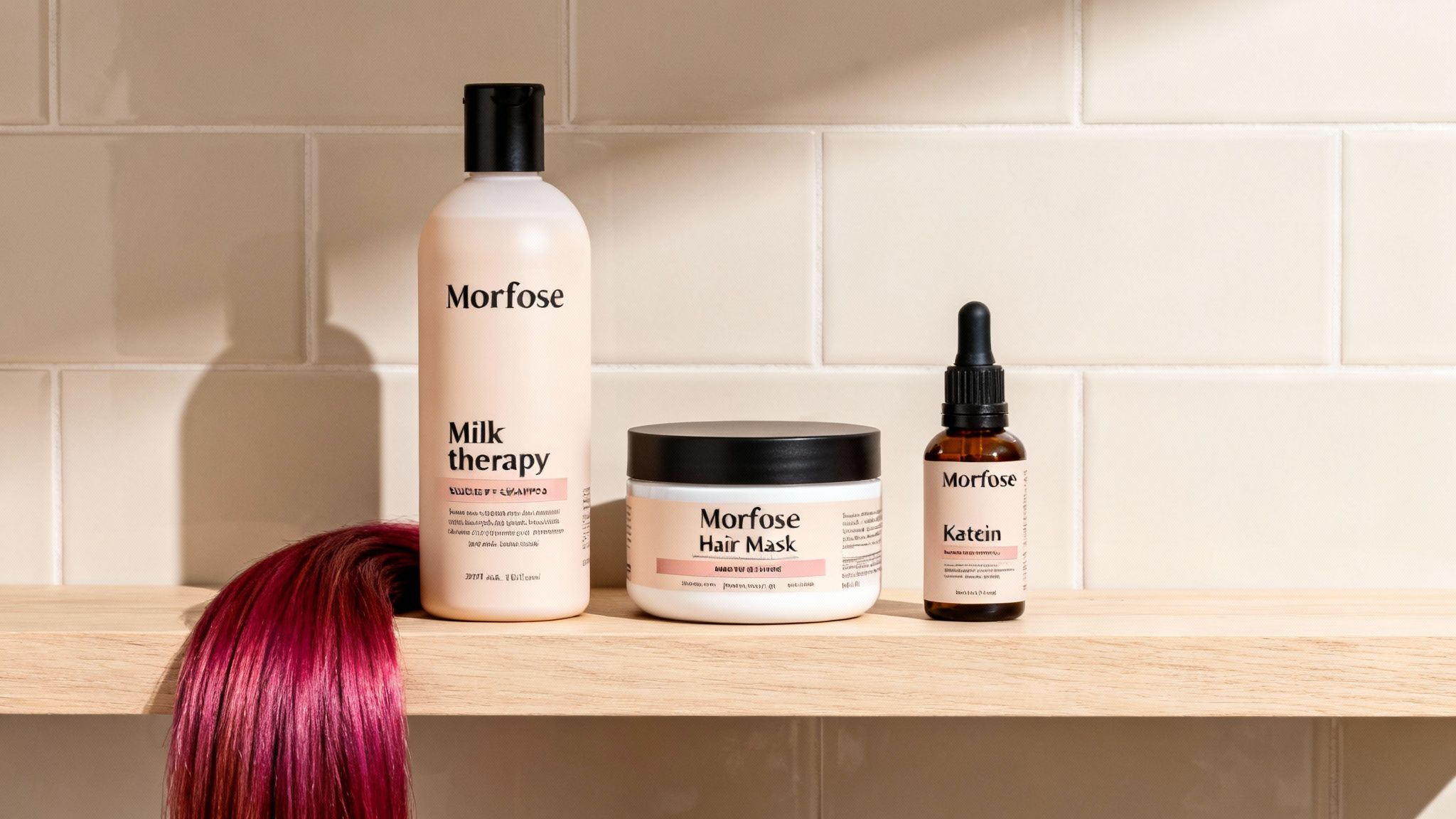
Next up, a weekly treatment is a non-negotiable for sealing the deal. The Morfose Milk Therapy Hair Mask is a true powerhouse of nourishment. Its rich formula is packed with milk proteins and 12 essential amino acids that dive deep to condition the hair. This process smooths down the cuticle, effectively trapping the color molecules inside while locking in that much-needed moisture.
A sealed cuticle is the secret to long-lasting color. When your hair's outer layer is smooth and closed, color simply has nowhere to go. The result is a richer, more vibrant shade that sticks around.
Finally, daily protection is the key to winning the war against fade. The Morfose Keratin Serum is like a lightweight, invisible shield for your hair. It does more than just add a brilliant shine; it actively defends your strands against environmental stressors like UV rays and humidity—two of the biggest culprits behind fading. A tiny amount creates a barrier that keeps your color looking amazing and your hair feeling silky smooth, day in and day out.
Common Questions About Semi-Permanent Hair Dye
Even when you've got your color care routine down to a science, questions are going to pop up. The way semi-permanent color behaves can feel a little unpredictable, but understanding the why behind the fade helps you stay in control.
Think of this as your go-to guide for those nagging "what if" moments. We're clearing up the confusion so you can rock your vibrant color with total confidence.
How Often Can I Reapply Semi-Permanent Dye?
Here's one of the best things about semi-permanent color: its formula is incredibly gentle. Since there's no harsh ammonia to break into your hair's core, you can reapply it far more often than permanent dye without risking damage.
Most people can comfortably refresh their shade every 4-6 weeks, or whenever the fade becomes noticeable. You don't have to wait for it to vanish completely. In fact, topping it up helps maintain that day-one vibrancy. Lots of people even use a weekly color-depositing conditioner to give their shade a little boost.
Does Semi-Permanent Dye Ever Fully Wash Out?
Ah, the million-dollar question. The honest answer? It really depends on your hair's starting point.
For healthy, low-porosity, or "virgin" (never-colored) hair, semi-permanent dye usually fades away completely, leaving no trace behind. It behaves exactly as you'd expect a temporary color to.
But for hair that's highly porous or has been pre-lightened with bleach, some pigments can leave a stubborn stain. This is especially common with deep blues, greens, or purples. Bleached hair has a very open, porous cuticle that essentially traps tiny color molecules, which can result in a faint, pastel "ghost" of the original shade that just won't budge.
On pre-lightened hair, semi-permanent dye acts more like a stain than a temporary coating. While it will fade significantly, a faint tint may remain long-term because the porous strands have absorbed the pigment more deeply.
Why Did My Bright Color Turn Pastel So Fast?
Did your electric pink turn into a soft blush after just a wash or two? A couple of things are likely at play here. The number one culprit is usually not waiting long enough before that first shampoo. You need to give those color molecules a solid 72 hours to really settle into the hair's cuticle.
High hair porosity is the other big factor. Porous hair grabs onto a ton of color right away, which looks amazing initially, but it also lets it go just as quickly. To get the timing perfect, check out our guide on how long to wait to wash hair after coloring.
Is a Clarifying Shampoo Good for Removing Color?
Yes, but only if you want to speed up the fading process. Clarifying shampoos are designed with stronger cleansing agents that strip away everything—product buildup, hard water minerals, and yes, semi-permanent color molecules.
Just be careful, as they can be seriously drying. If you use one, always follow up with a deeply hydrating treatment, like the Morfose Milk Therapy Hair Mask, to put that much-needed moisture back into your strands.
Ready to lock in your color and give your hair the protection it deserves? The Morfose Color-Safe collection is designed to gently cleanse, deeply nourish, and shield your hair from the key factors that cause fading. Explore the full range and build your perfect color-care routine at https://themorfose.com.
Make the next colour last longer
Semi-permanent dye sits on the cuticle rather than inside it, so anything that keeps the cuticle closed keeps the colour on.

